
The Ten-Minute Rule for Garlic: What Garlic Can Do for Your Health and How to Let It
May 18, 2026My grandmother kept a braid of garlic hanging in her kitchen year-round. She never called it medicine. She just knew it belonged there, near the stove, near the food, near the people she was feeding.
She wasn’t wrong.
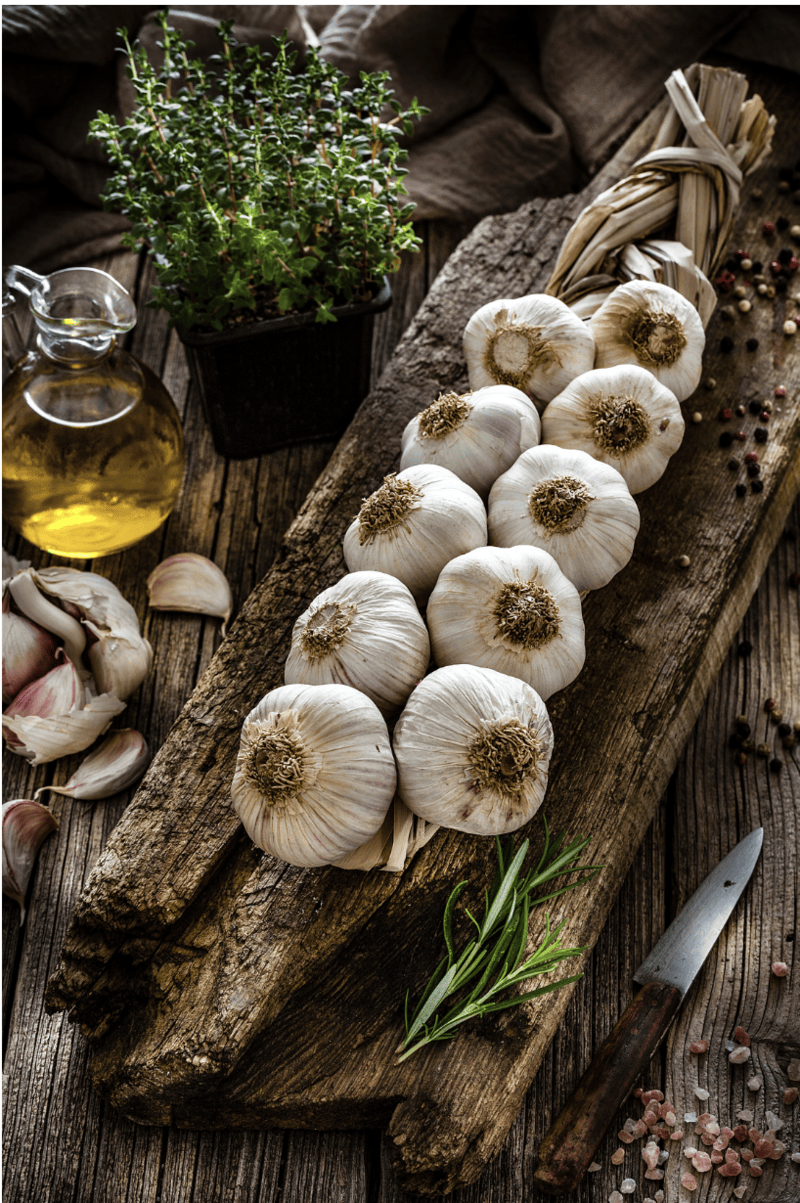
For thousands of years, across cultures that had no contact with each other, garlic showed up in the same places: wound care, infection, heart health, digestion. Traditional Chinese medicine, Ayurveda, ancient Egypt, ancient Greece, all of them used garlic. At some point, science caught up and started explaining why.
This article is about what the research shows, and one small change in how you prepare garlic that makes a real difference in what your body receives.
———
What’s Happening Inside the Clove
Whole garlic is holding something back.
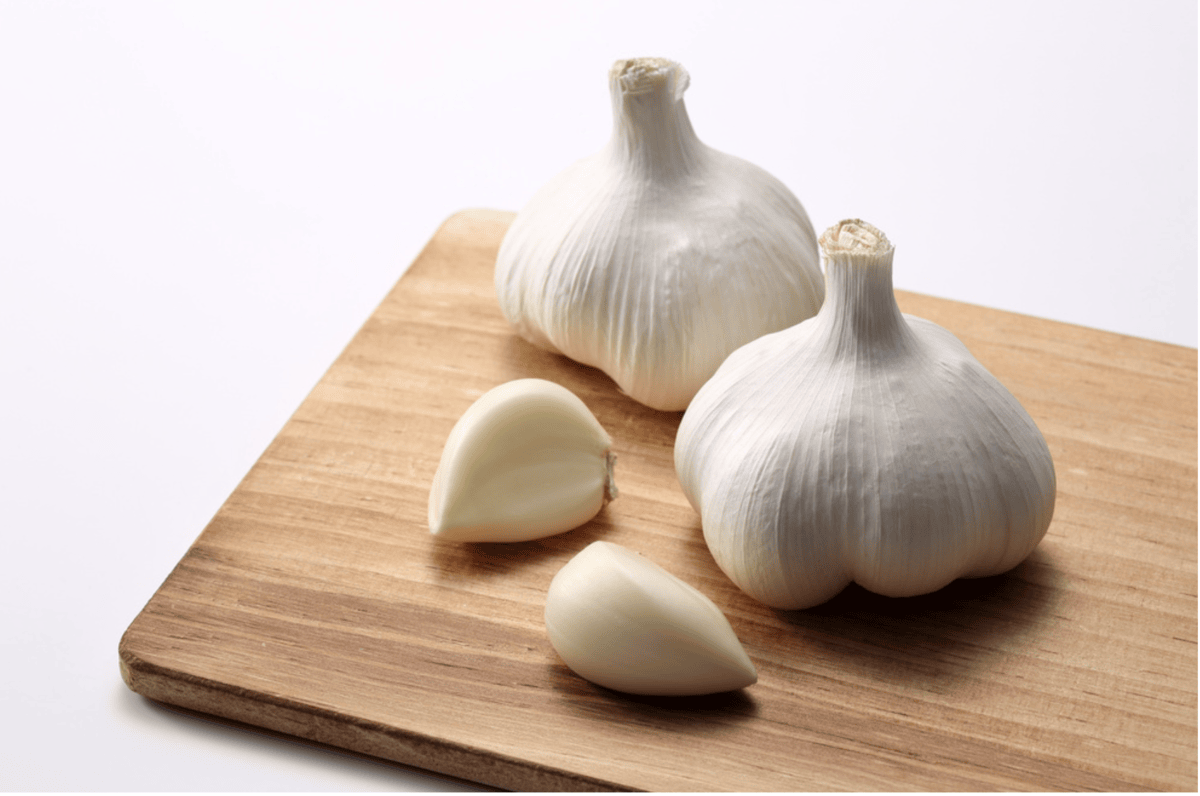
Inside each clove, two chemical compounds are stored in separate cellular compartments, deliberately kept apart. One is alliin, a stable, sulfur-containing molecule sitting in the flesh of the clove. The other is alliinase, an enzyme tucked into different cellular pockets nearby. Alone, neither compound does much. Together, they produce something your body can genuinely use.
When you crush, chop, or bite into garlic, the cell walls break and alliin and alliinase finally meet. The enzyme immediately goes to work on its substrate, converting alliin into allicin — the compound behind garlic’s sharp smell and most of its documented health benefits.
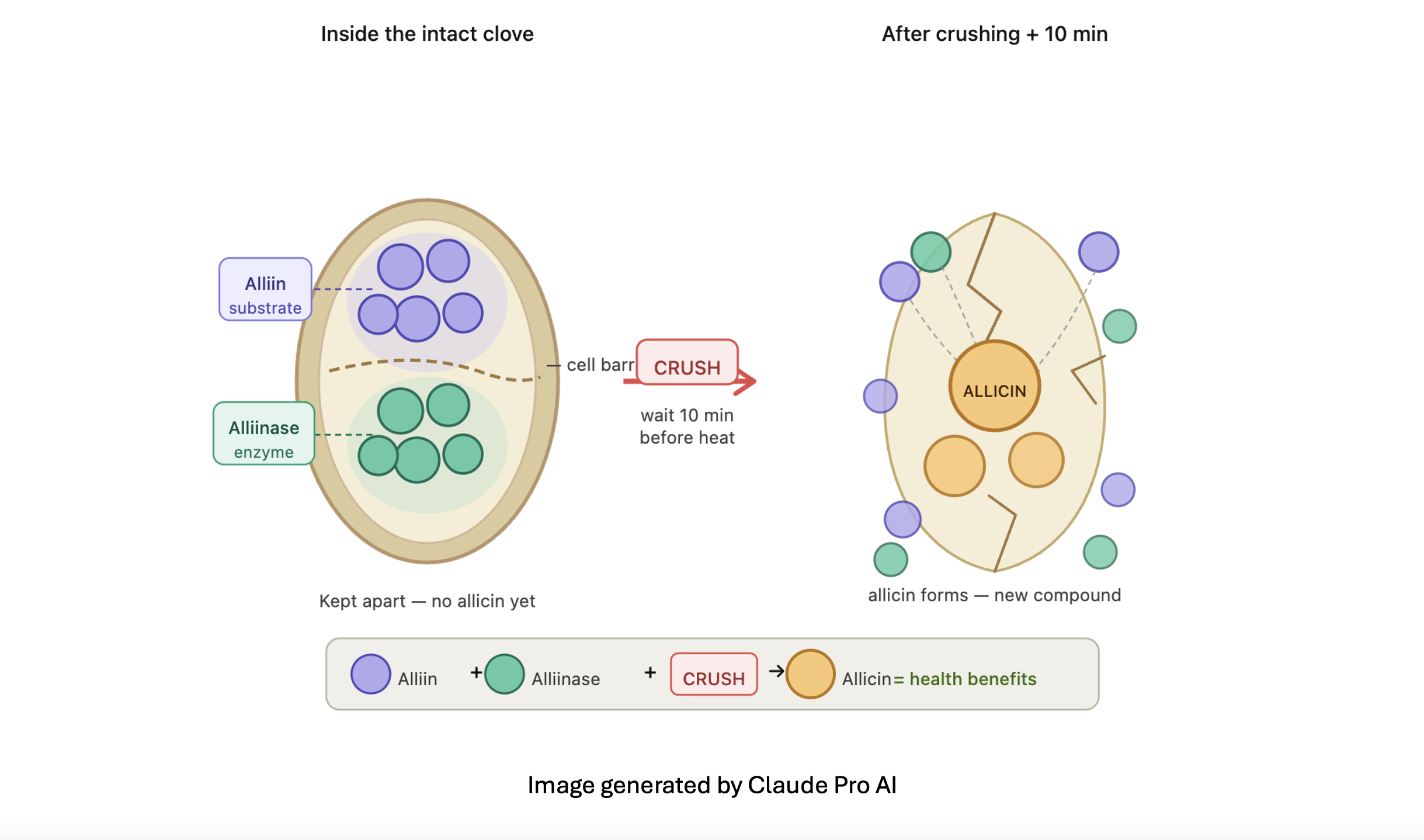
This is actually garlic’s own defense system. It was never designed for us. It’s the plant’s chemical response to being damaged — a rapid reaction meant to deter bacteria, fungi, and insects. We just happen to benefit when we trigger it in our kitchens.
———
The Part Most People Miss
Here’s where timing matters.
Alliinase is heat sensitive. Add freshly crushed garlic directly to a hot pan and the enzyme is destroyed before it finishes its work. The allicin never fully forms. You still get flavor, and some benefit, but you’ve left most of the medicinal value on the cutting board.
A 2001 study published in the Journal of Nutrition put specific numbers to this. As little as sixty seconds of microwave heating destroyed alliinase activity entirely. Thirty seconds knocked out ninety percent of it. The same research confirmed that letting crushed garlic rest for approximately ten minutes before applying heat was enough time for the enzymatic reaction to complete and for allicin to become heat stable enough to survive moderate cooking temperatures.
The fix is simple. Crush or finely mince your garlic, set it aside on the cutting board, and let it sit for ten minutes before it goes anywhere near heat. That resting window is the difference between garlic as seasoning and garlic as medicine.
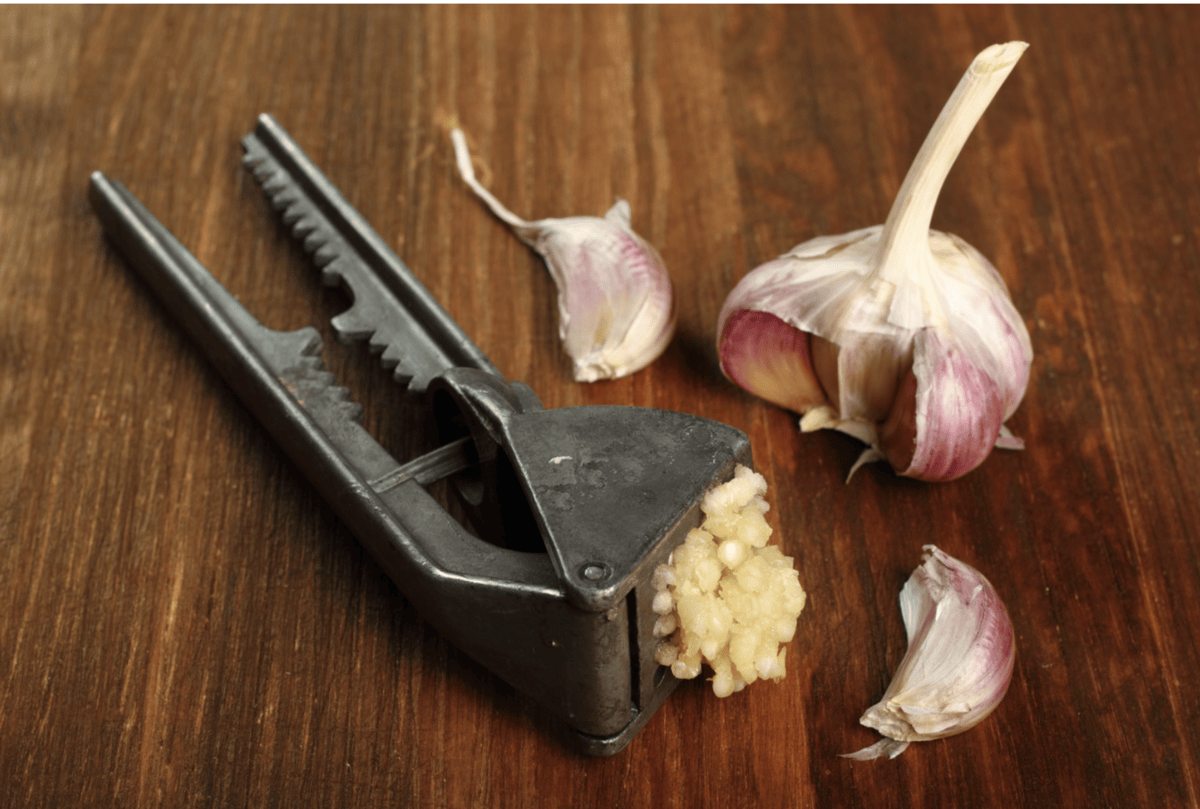
Crush. Wait. Then cook.
A garlic press works well here because it maximizes surface area, which accelerates the reaction. A sharp knife and a rough chop work too. What doesn’t work is dropping a whole clove into a hot pan and hoping for the best.
———
What Allicin Does in the Body
The research on garlic is extensive. Some of it is preliminary, some of it is very strong, and it’s worth being honest about the distinction. Here’s what holds up.
Cardiovascular protection
Multiple clinical trials have shown that garlic can modestly but meaningfully lower LDL cholesterol and blood pressure. A meta-analysis in the Journal of Nutrition found consistent reductions in both systolic and diastolic blood pressure with regular garlic intake. The mechanism involves allicin and its downstream compounds, which relax blood vessel walls and inhibit platelet aggregation, meaning garlic makes the blood a little less prone to clotting. For anyone managing cardiovascular risk, that’s worth paying attention to.
Antimicrobial activity
This is where garlic’s traditional reputation is best supported. Allicin disrupts the enzyme systems that bacteria need to survive, and it does so in a way that makes developing resistance unusually difficult. Research has shown activity against a wide range of bacteria, including some antibiotic-resistant strains. It’s not a replacement for medical treatment of serious infections, but as a regular part of how you eat, it adds a layer of antimicrobial support that is real and well-documented.
Immune support
A twelve-week randomized controlled trial found that daily garlic supplementation significantly reduced the number of colds and shortened their duration when they did occur. The immune-modulating effects appear to come from multiple compounds working together, not allicin alone. The compound S-allylcysteine, found in aged garlic, also shows consistent immune and antioxidant activity in research, and survives the cooking process better than allicin does.
Antioxidant and anti-inflammatory effects
Chronic, low-grade inflammation is a thread running through most of the conditions that concern functional health practitioners, including cardiovascular disease, metabolic dysfunction, autoimmune conditions, and accelerated aging. Garlic’s organosulfur compounds work to defend against it through multiple pathways, reducing oxidative stress and inflammatory signaling. It’s not dramatic. But steady daily use, as part of a whole-food diet, contributes to a less inflammatory internal environment over time.
———
A Note on Forms of Garlic
Fresh garlic prepared correctly is the most potent source of allicin, and for most people it’s the most accessible. Aged garlic extract, the kind used in many supplements, is processed in a way that converts allicin into stable compounds like S-allylcysteine that don’t require the crush-and-wait step but still carry meaningful health benefits, particularly for cardiovascular and immune support. Garlic powder varies widely depending on how it was processed; some retains meaningful activity and some does not. If you’re using garlic therapeutically and want predictable potency, fresh is your most reliable option when prepared correctly.
———
What This Looks Like in Practice
One to two fresh cloves daily is the range most commonly used in the studies showing benefit. That’s a realistic goal for most people. Crush it or mince it, let it rest ten minutes, and add it toward the end of cooking rather than the beginning. Raw garlic in dressings, dips, or mixed into food after cooking preserves even more of the active compounds.
If raw garlic is hard on your stomach, which it is for some people, cooked garlic with the ten-minute pre-crush step is a reasonable middle ground. The allicin won’t survive long in cooking, but its downstream sulfur compounds, the ones formed as allicin breaks down, still carry anti-inflammatory and cardiovascular benefits.
———
My grandmother didn’t know about alliinase. She didn’t know about allicin or organosulfur compounds or enzymatic reactions. She just knew garlic belonged in food that was meant to sustain people.
Sometimes traditional wisdom holds up under the microscope. This is one of those times.
Ten minutes is a small ask for what’s on the other side of it.
With care, Patti
Health keeping is a practice, not a performance.
#Garlic10MinuteRule
Health Keepers United has a Substack presence. Click the link below to see more articles.
HealthKeepersUnited.substack.com/
Patti Wohlin is a Certified Functional Health Coach and retired Physician Assistant with decades of experience in integrative wellness, conventional medicine, and pharmaceutical research. She is the creator of the Own Your Health course and founder of Health Keepers United
Disclaimer: The information in this article and guidebook is for educational purposes only and does not substitute for professional medical care. Please consult your qualified healthcare providers to make informed decisions for your individual situation.
———
Sources & Further Reading
- Meng, S. et al. — “The Influence of Heating on the Anticancer Properties of Garlic.” Journal of Nutrition, 2001.
- Linus Pauling Institute, Oregon State University — “Garlic.” Micronutrient Information Center, updated 2016.
- American Chemical Society — “Recipe for Healthy Garlic: Crush Before Cooking.” ScienceDaily, 2007.
- Fujisawa, H. et al. — “Thermostability of Allicin Determined by Chemical and Biological Assays.” Bioscience, Biotechnology, and Biochemistry, 2008.
- Fujisawa, H. et al. — “Biological and Chemical Stability of Garlic-Derived Allicin.” Journal of Agricultural and Food Chemistry, 2008.
- Bryndal, I. et al. — “Effect of Physicochemical Parameters on the Stability and Activity of Garlic Alliinase.” PLOS ONE, 2021.
Stay connected with news and updates!
Join our mailing list to receive the latest news and updates from our team.
Don't worry, your information will not be shared.
We hate SPAM. We will never sell your information, for any reason.